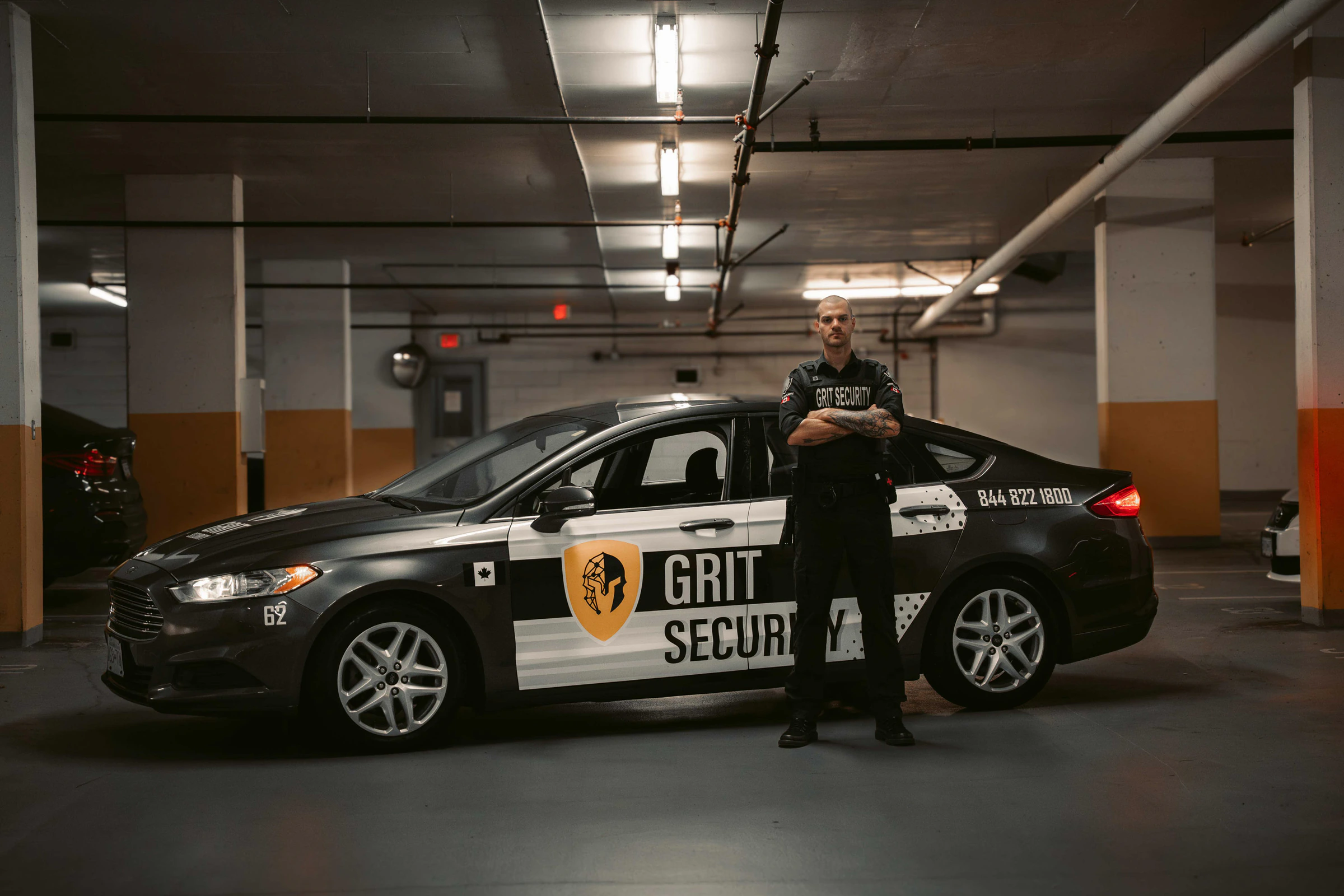
Visible patrol presence. Verified visits. Clear reporting.

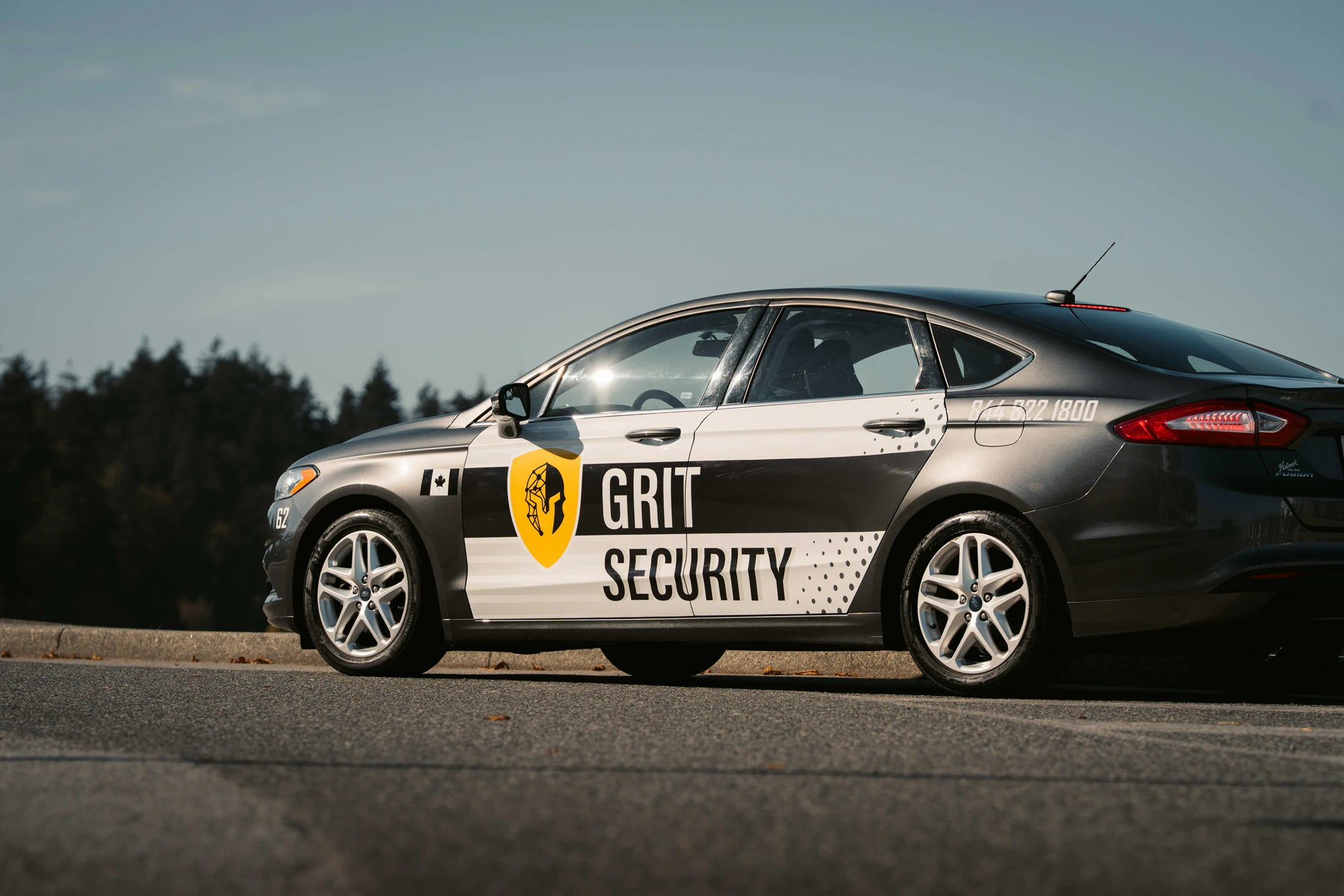
Mobile patrol security services provide active, scalable protection for properties that need regular checks without a permanent on-site guard. Grit Security sends licensed officers in marked patrol vehicles to follow site-specific routes, inspect access points and exterior areas, complete lock, unlock and alarm-response duties, and record activity through TrackTik.
Visits can be scheduled, randomized or combined around operating hours, risk periods and escalation procedures. This creates a visible security presence backed by GPS verification and clear reporting.
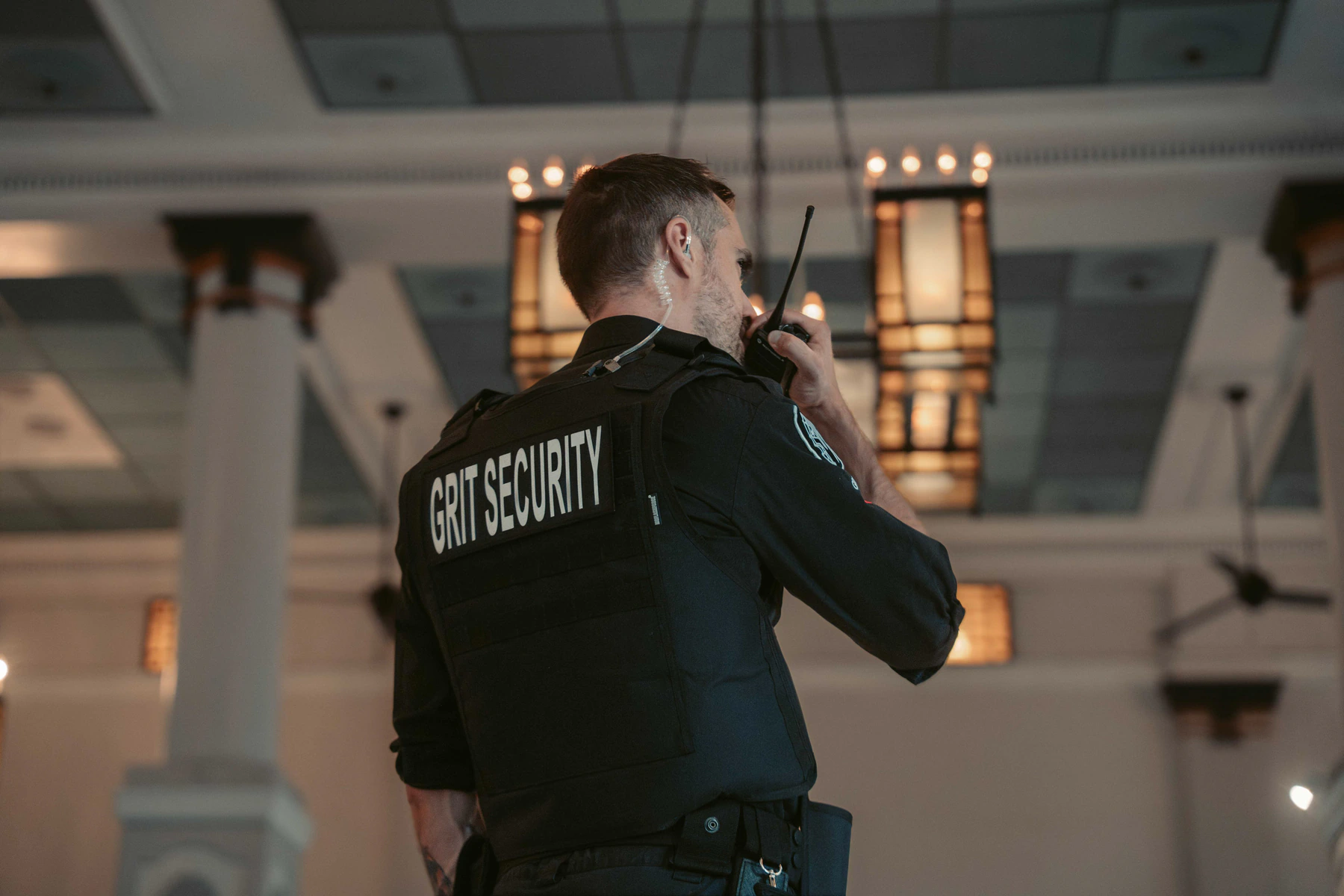
Mobile Patrol Services Built Around Your Property
A useful patrol plan defines exactly what must be checked, how often officers should attend, which areas require electronic verification, and when an observation must be escalated. Patrol instructions can include door and gate checks, lighting concerns, unauthorized activity, damage, hazards, parking issues, equipment conditions, and communication with designated property contacts. Randomized timing can improve deterrence, while fixed visits are appropriate for scheduled lockups, unlocks, and operational checks.
Mobile patrol is often most effective as part of a layered program. A property may use patrol visits during lower-risk periods and uniformed security guards when continuous on-site coverage is required. Supervisors review patrol activity and exceptions so missed checkpoints, incomplete duties, or recurring concerns can be addressed instead of disappearing into a basic shift log.
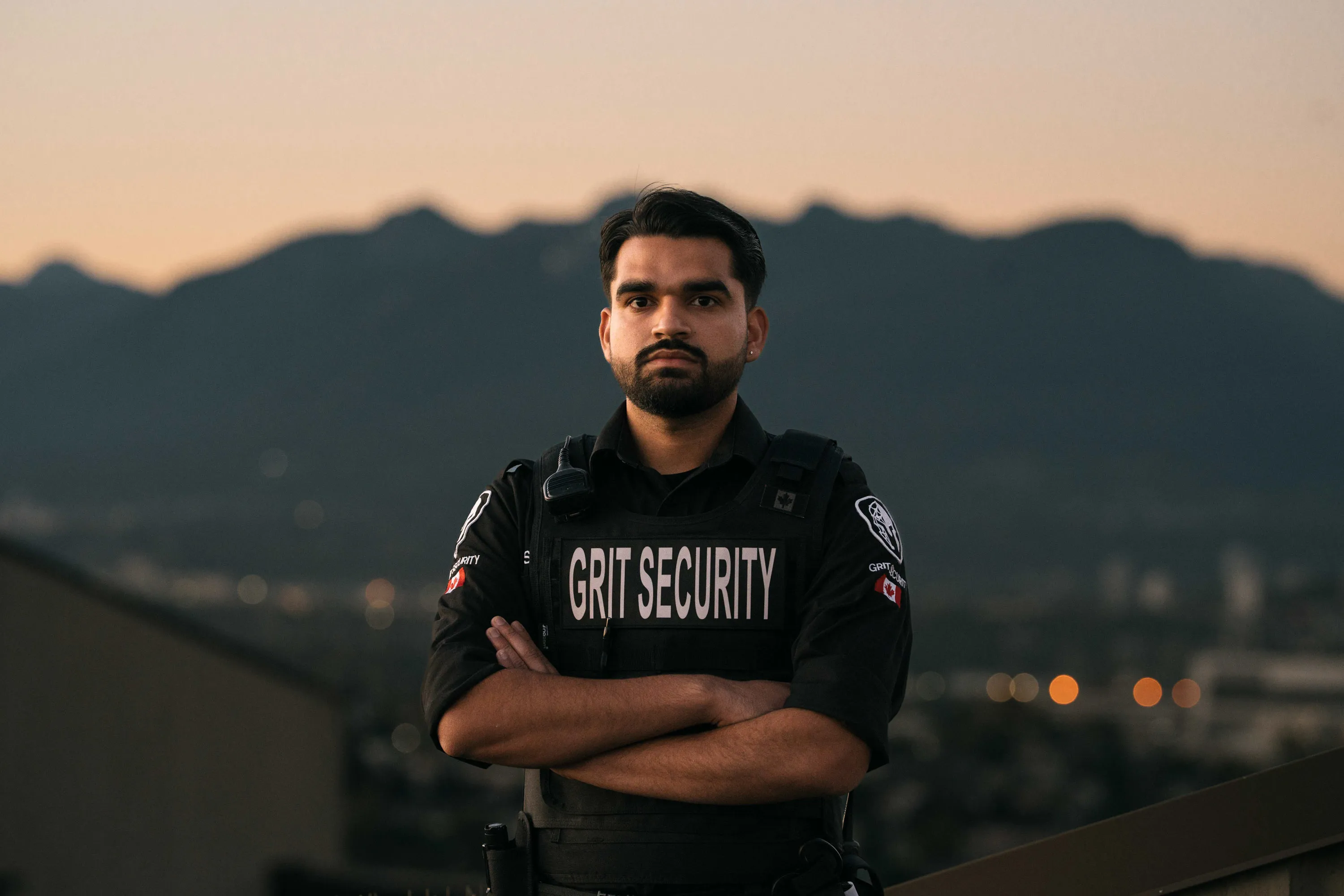

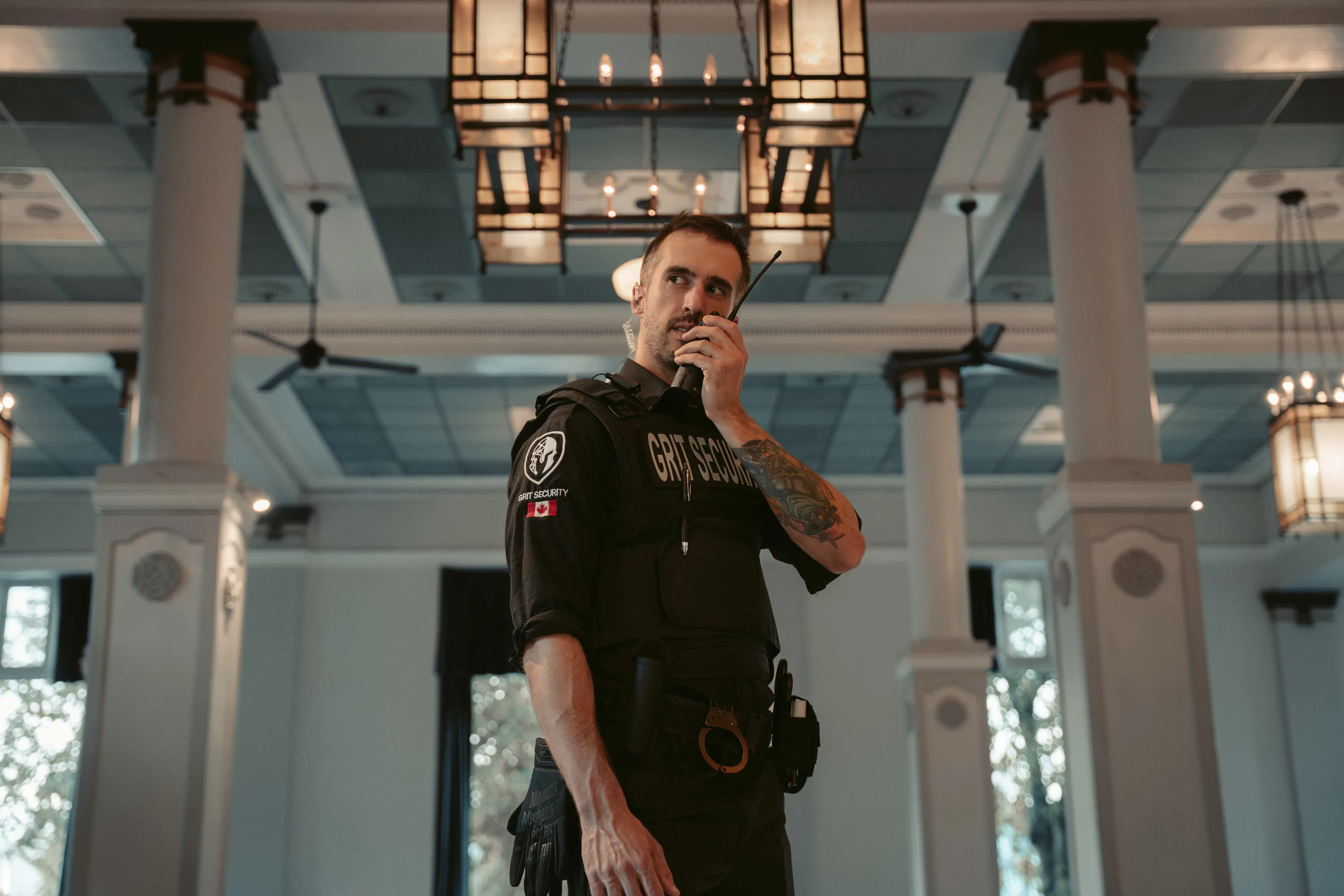
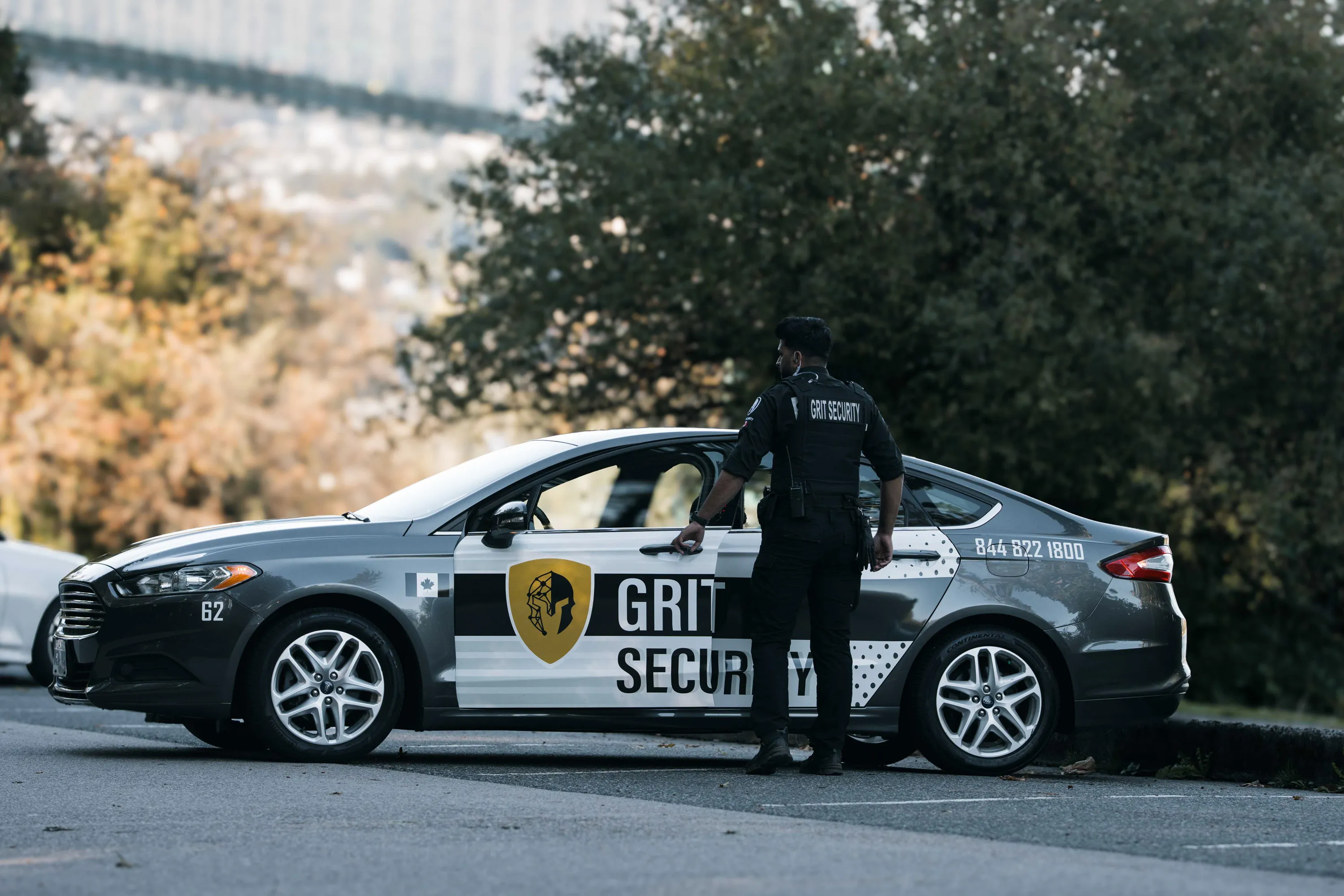
Accountable Patrols, Not Unverified Drive-Bys
A patrol visit should leave a clear operational record. Before service begins, we document the route, access procedures, priority areas, emergency contacts and site instructions. Officers follow the post orders, record observations and escalate urgent concerns under the agreed procedure. Coverage can change as construction phases, vacancy risks or seasonal activity change. For suitable properties, mobile patrol can be a cost-effective option when repeated checks and rapid attendance are needed but a permanent on-site guard is not.
Why Choose Grit for Mobile Patrol

Tailored Protection Plans

Visible Deterrence, Real Results

Fast, Reliable Response
Mobile Patrol Security Frequently Asked Questions
How much does mobile patrol security cost in Vancouver?
Pricing depends on visit frequency, timing, property size, travel between locations, required duties, access procedures and whether coverage includes alarm response, lock/unlock service or overnight attendance. Where periodic visits can manage the identified risk, mobile patrol may be a cost-effective alternative to a permanent on-site guard. We review the property before recommending a schedule.
How can clients verify that patrols were completed?
Patrol activity can be documented through TrackTik using time-stamped arrival information, GPS activity, electronic checkpoints, officer notes, photos where appropriate, and incident reports. Supervisors can review exceptions and clients can receive reports that identify completed duties and concerns requiring follow-up. The reporting structure is agreed upon when the patrol plan is created.
What properties benefit most from mobile patrol?
Commercial buildings, parking facilities, warehouses, construction sites, residential communities, vacant properties, retail locations and multi-site portfolios commonly benefit from patrol coverage. It works especially well when repeated checks, visible deterrence or after-hours oversight are required without keeping one officer at a fixed post. Service is available across Vancouver, Burnaby, Richmond, Surrey, Langley, Coquitlam, Delta and New Westminster.
Can mobile patrol respond to alarms or urgent calls?
Yes. Alarm response and urgent attendance can be included when access instructions, site contacts, service boundaries and escalation steps are established in advance. The responding officer attends, assesses observable conditions, checks designated areas, documents the response, contacts the appropriate representative and requests emergency assistance when circumstances require it. Arrival information, officer notes, photos where appropriate and follow-up actions can be recorded through TrackTik.
Is mobile patrol enough, or does the property need a static guard?
Mobile patrol is suitable when periodic checks and visible attendance can manage the identified risk. A static guard is more appropriate when continuous access control, immediate on-site response, ongoing public interaction, or constant observation is required. Some properties use a combined program, with a guard during active hours and patrol visits after the site closes.
How are patrol routes and schedules determined?
Routes are based on site layout, operating hours, access points, past concerns, required duties, risk periods and the number of visits requested. Officers may be assigned to inspect entrances, doors, gates, parking areas, loading zones, exterior perimeters, mechanical access points and other designated locations. Fixed timing supports lockups and operational checks, while randomized windows strengthen deterrence. Electronic checkpoints and escalation requirements are identified when the patrol plan is created.


Contact Us