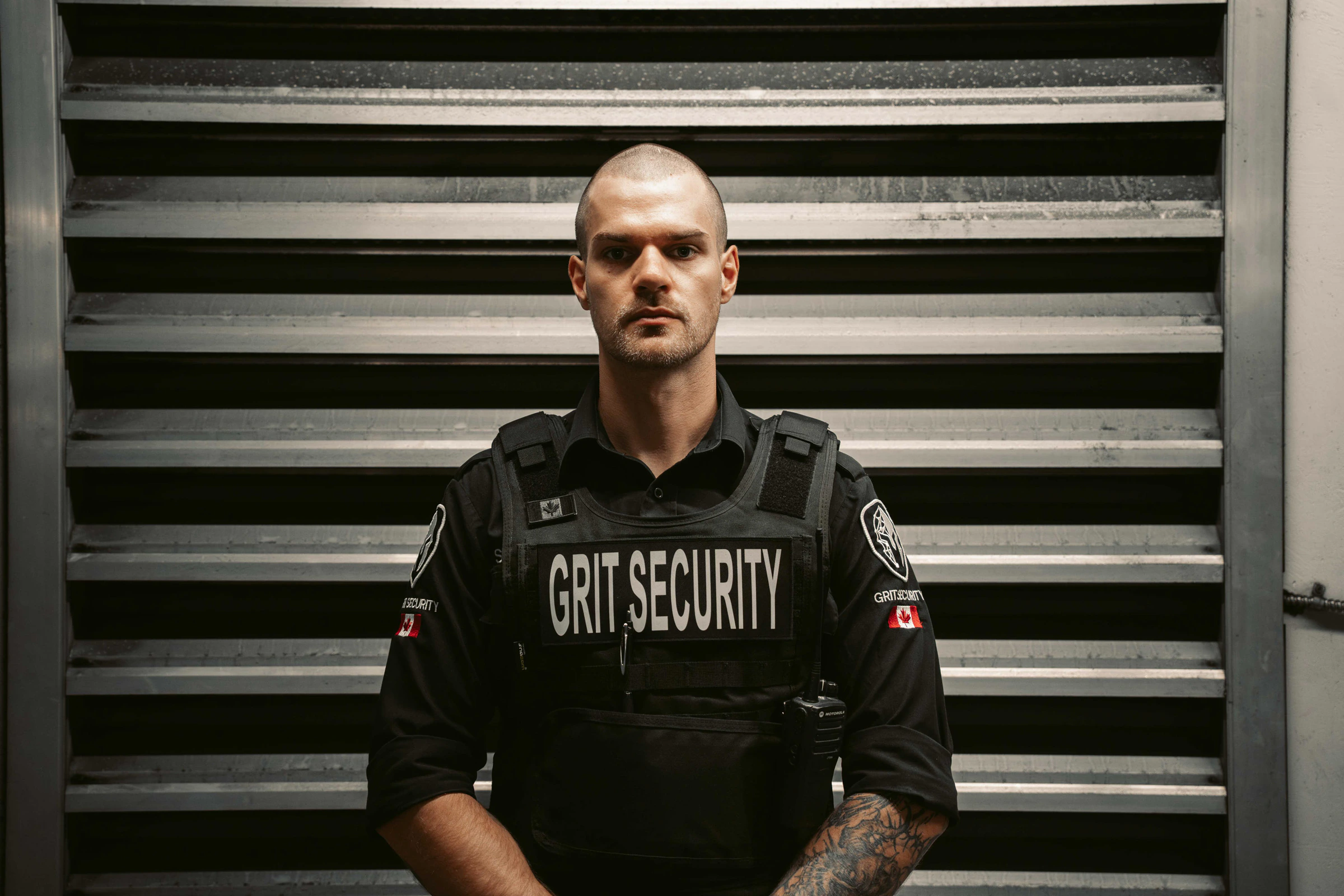
Protect inventory, support staff, and reduce preventable retail loss.

Effective loss prevention combines informed observation, strategic positioning, consistent procedures, documentation and communication with store leadership. Grit Security provides uniformed or plainclothes personnel who work within retailer-approved policies to deter shoplifting, monitor higher-risk areas, protect merchandise and support employees without creating unnecessary friction for legitimate customers. Coverage can be structured around full operating hours or identified risk periods, with clear instructions for observation, intervention, escalation and evidence-based incident reporting.
For a structured starting point, follow our practical retail loss-prevention plan.
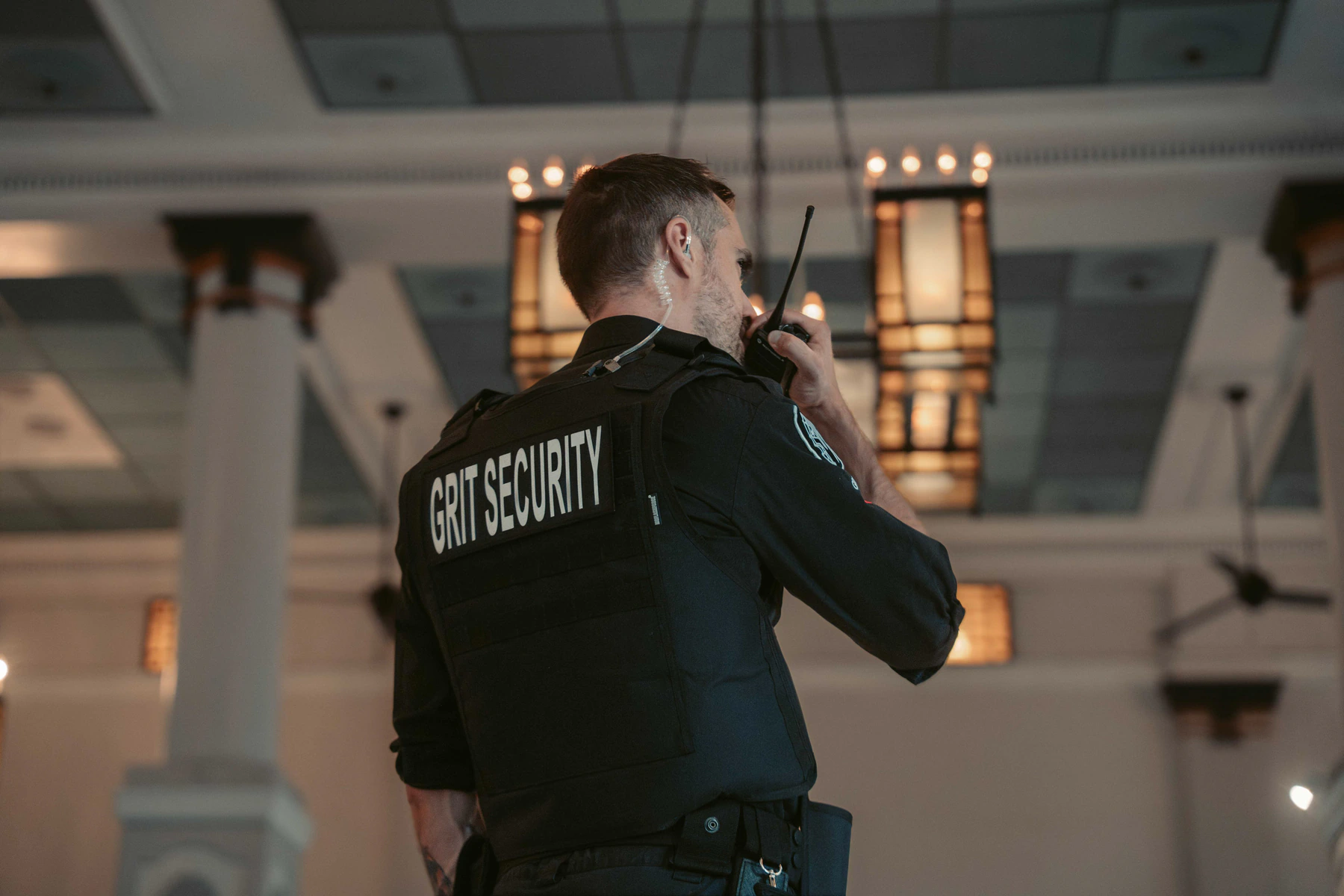
Loss Prevention Built Around Real Store Conditions
Each assignment begins with an understanding of store rules, higher-risk areas, communication methods, documentation standards, and the circumstances in which personnel should observe, engage, disengage, or request assistance. Officers can monitor concealment indicators, unusual movement patterns, coordinated activity, repeat concerns, refund or exit-area issues, and behaviour inconsistent with normal shopping. Any intervention must follow applicable law, the client’s policy, and the approved assignment procedure.
Loss prevention can be combined with uniformed security guards when a location also needs a stronger visible presence, access support, or broader customer and employee safety coverage. Reporting helps store management understand recurring times, merchandise categories, locations, and behaviours so coverage can be adjusted based on operational patterns rather than assumptions.
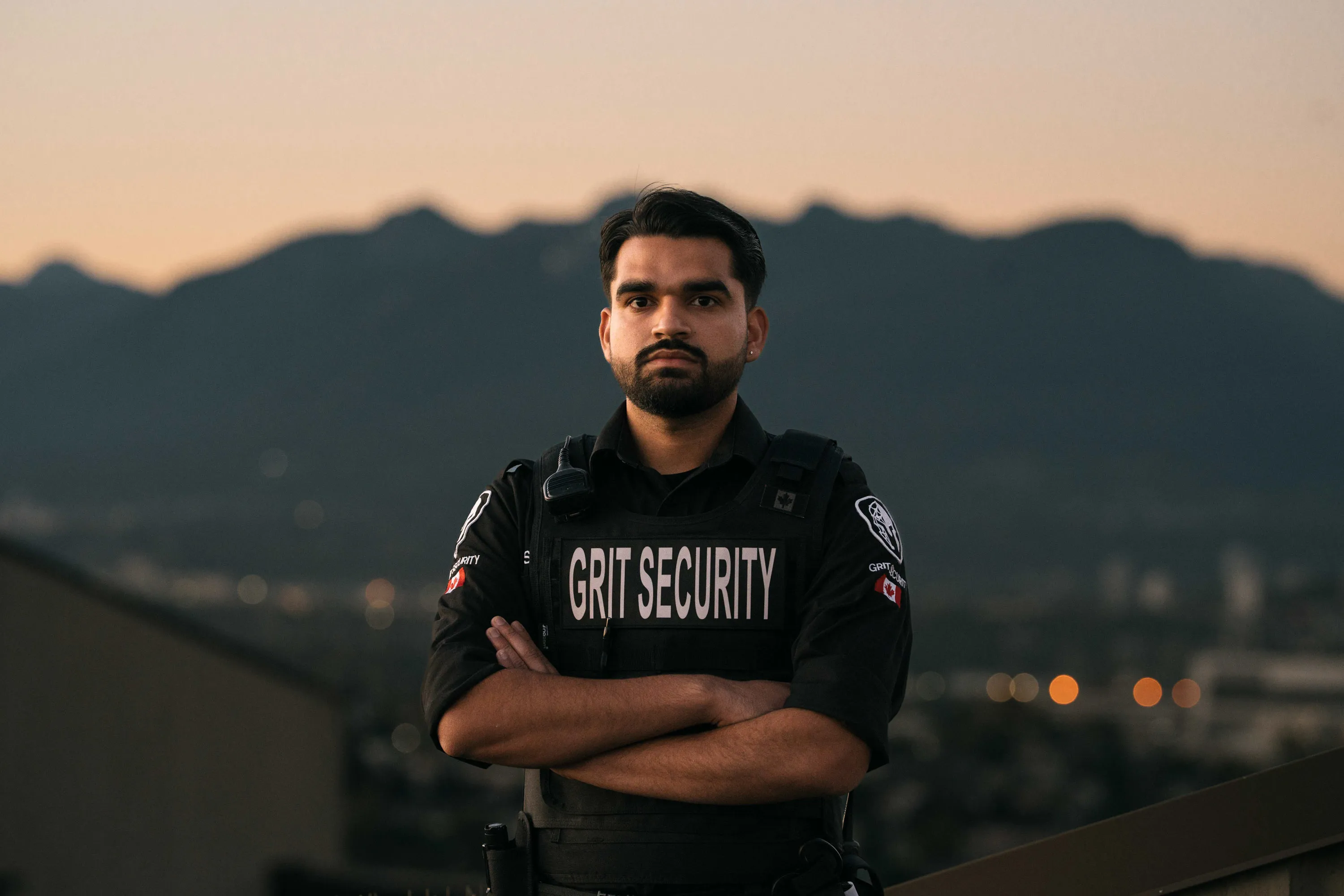

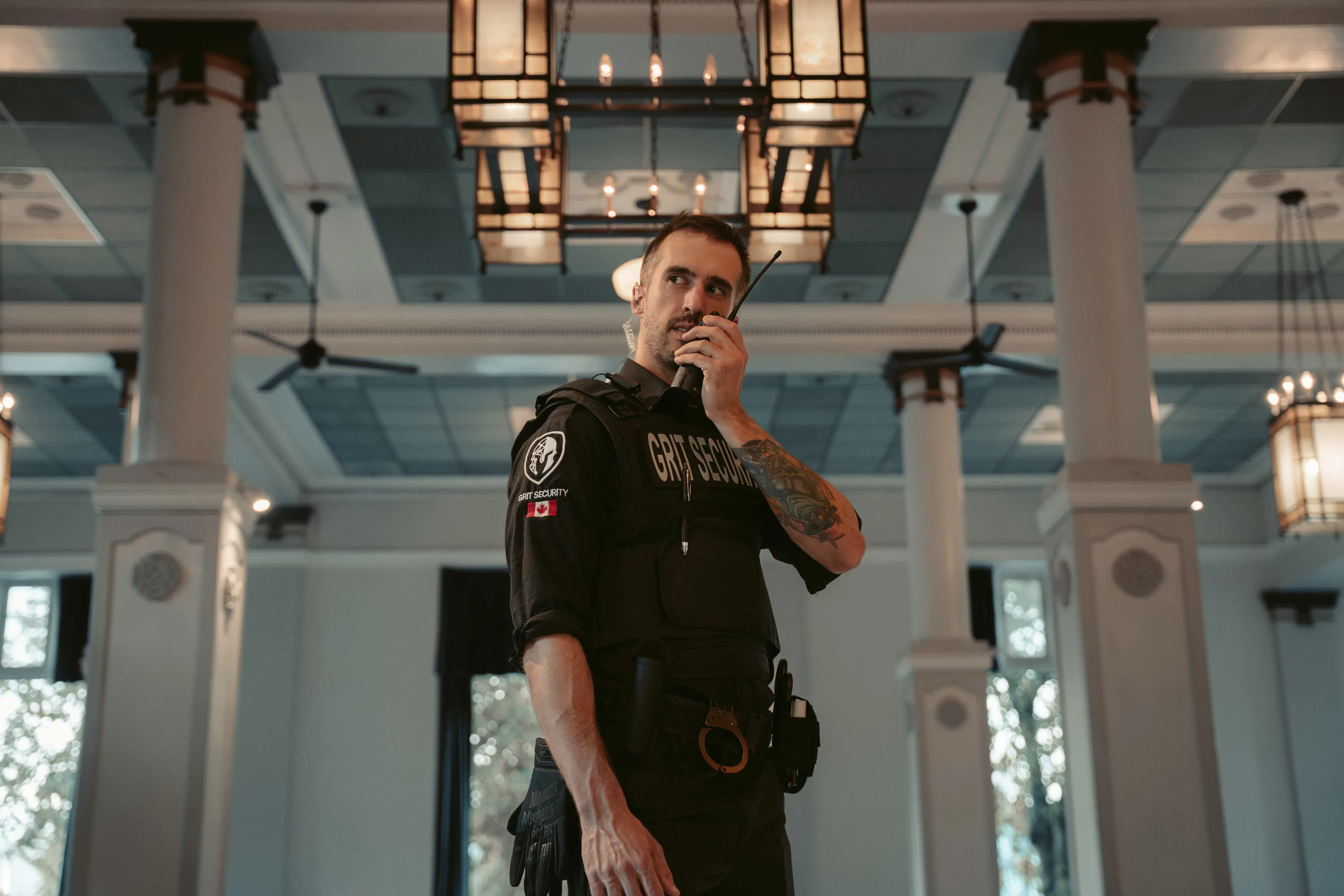

Retail Protection with Professional Judgment
Loss prevention personnel operate in customer-facing environments where observation and judgment matter. Before deployment, we confirm the store’s reporting process, management contacts, prohibited actions, evidence expectations, higher-risk zones, and response procedures. Supervisors reinforce those requirements and review incidents for completeness. Programs can be adjusted as store layouts, product placement, hours, or loss patterns change. This structured approach helps retailers maintain continuity instead of repeatedly retraining short-term personnel who do not understand the location’s expectations. Regular review also helps keep assignment instructions aligned with current store conditions.
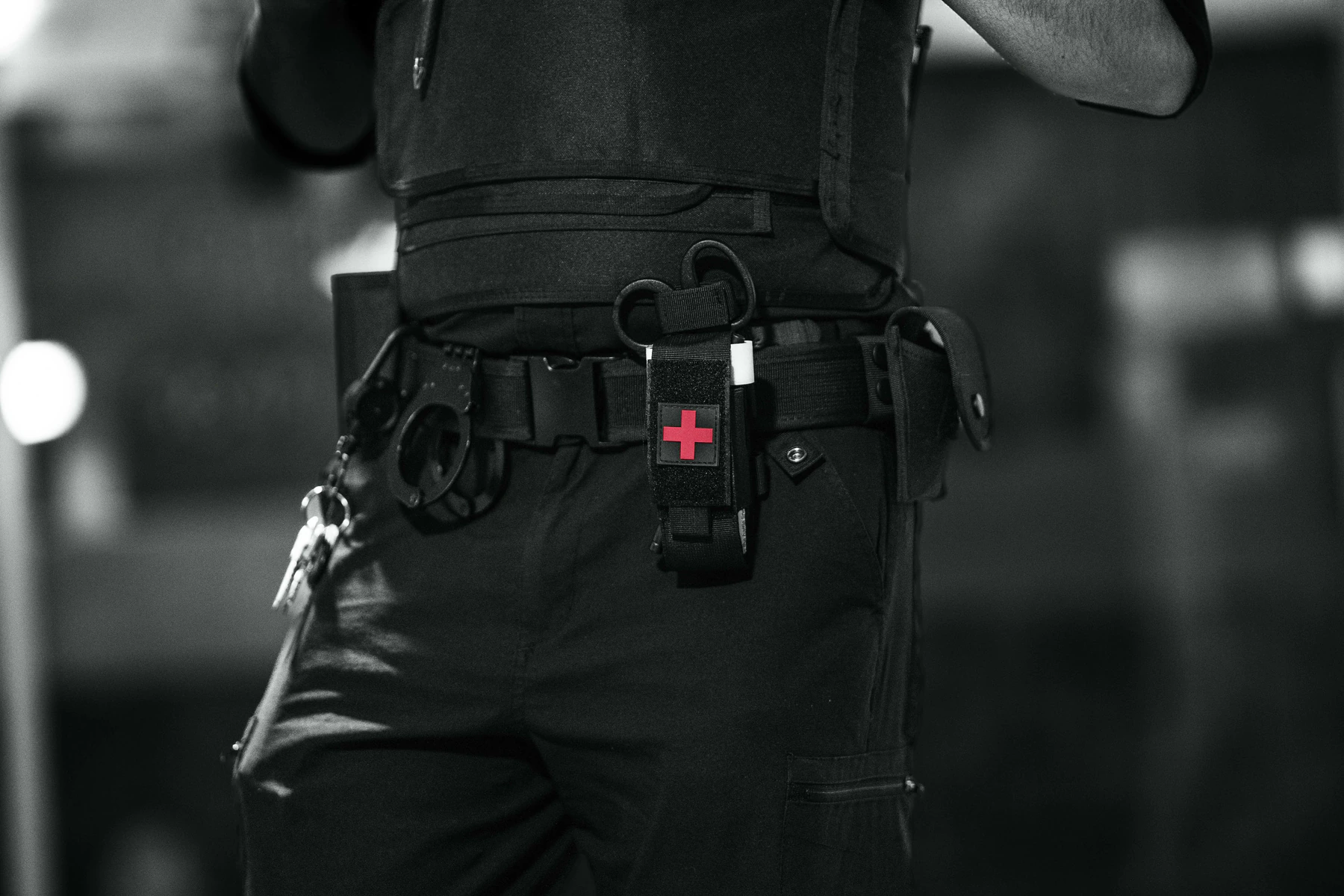
Why Choose Grit for Loss Prevention
Theft Deterrence & Shoplifting Prevention

Customer Focused Approach

Covert Monitoring
Loss Prevention Frequently Asked Questions
How can stores reduce theft without damaging customer experience?
Effective loss prevention emphasizes awareness, positioning, staff communication, and consistent procedures rather than unnecessary confrontation. Personnel monitor concerning activity while remaining professional around legitimate customers. Visible coverage can deter opportunistic theft, while plainclothes coverage can support discreet observation. The best approach depends on the store layout, merchandise, customer traffic, and approved response policy.
What is the difference between loss prevention and general security guards?
Loss prevention focuses specifically on retail theft, inventory protection, behavioural observation, evidence, and retailer-approved intervention procedures. General security guards normally provide broader protection such as access control, visible patrols, customer assistance, emergency response, and property safety. Some retailers benefit from both functions, but the responsibilities and training expectations should be clearly defined.
Do loss prevention personnel work in uniform or plain clothes?
Both approaches are available where appropriate. Uniformed personnel provide immediate visibility and theft deterrence, while plainclothes personnel support discreet observation around higher-risk merchandise and store areas. A retailer may use one model consistently or combine them during selected periods. The deployment method should reflect store policy, layout, merchandise exposure, customer traffic and the objectives of the assignment rather than applying the same approach to every retail environment.
Can loss prevention coverage be scheduled only during peak-risk periods?
Yes. Coverage can support retail stores, shopping centres, grocery locations, pharmacies, apparel stores and specialty retailers during full operating hours or selected risk periods. Scheduling may focus on evenings, weekends, opening and closing, promotions, seasonal peaks or locations experiencing increased theft. Programs are available across Vancouver, Burnaby, Richmond, Surrey, Langley, Coquitlam, Delta and New Westminster and should be adjusted using store data and operational experience.
How quickly can a loss prevention program show useful results?
Results depend on the store’s existing risk level, coverage hours, merchandise, procedures, and consistency of deployment. Early improvements may include better visibility, more complete incident records, and stronger staff coordination. Longer-term reporting allows management to compare patterns and refine coverage. A credible program should be evaluated through documented trends rather than unsupported promises of immediate shrink reduction.
How are concerning behaviours documented and escalated?
Personnel document observable facts, locations, times, actions, involved merchandise, communications and the response taken under store policy. Reports should separate direct observations from assumptions and may include supporting evidence permitted by the retailer’s procedures. Concerns are escalated to the designated manager, security supervisor, police or emergency services when circumstances require it. Consistent reporting helps management identify recurring merchandise, time, location and behaviour patterns and refine future coverage.


Contact Us