Strong deterrence, fast response, and trusted support
SPECIALIZED IN COMMERCIAL BUILDING SECURITY
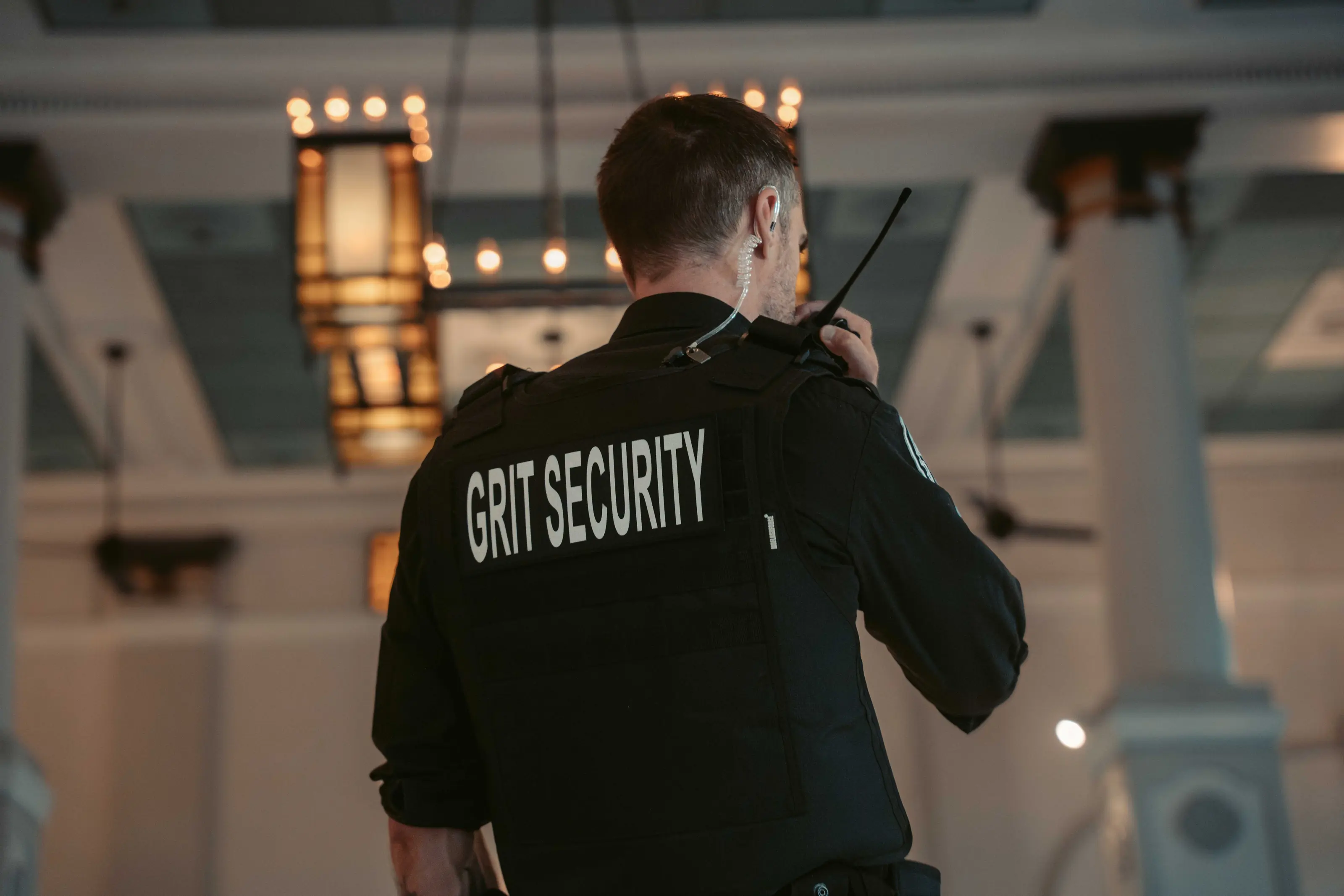
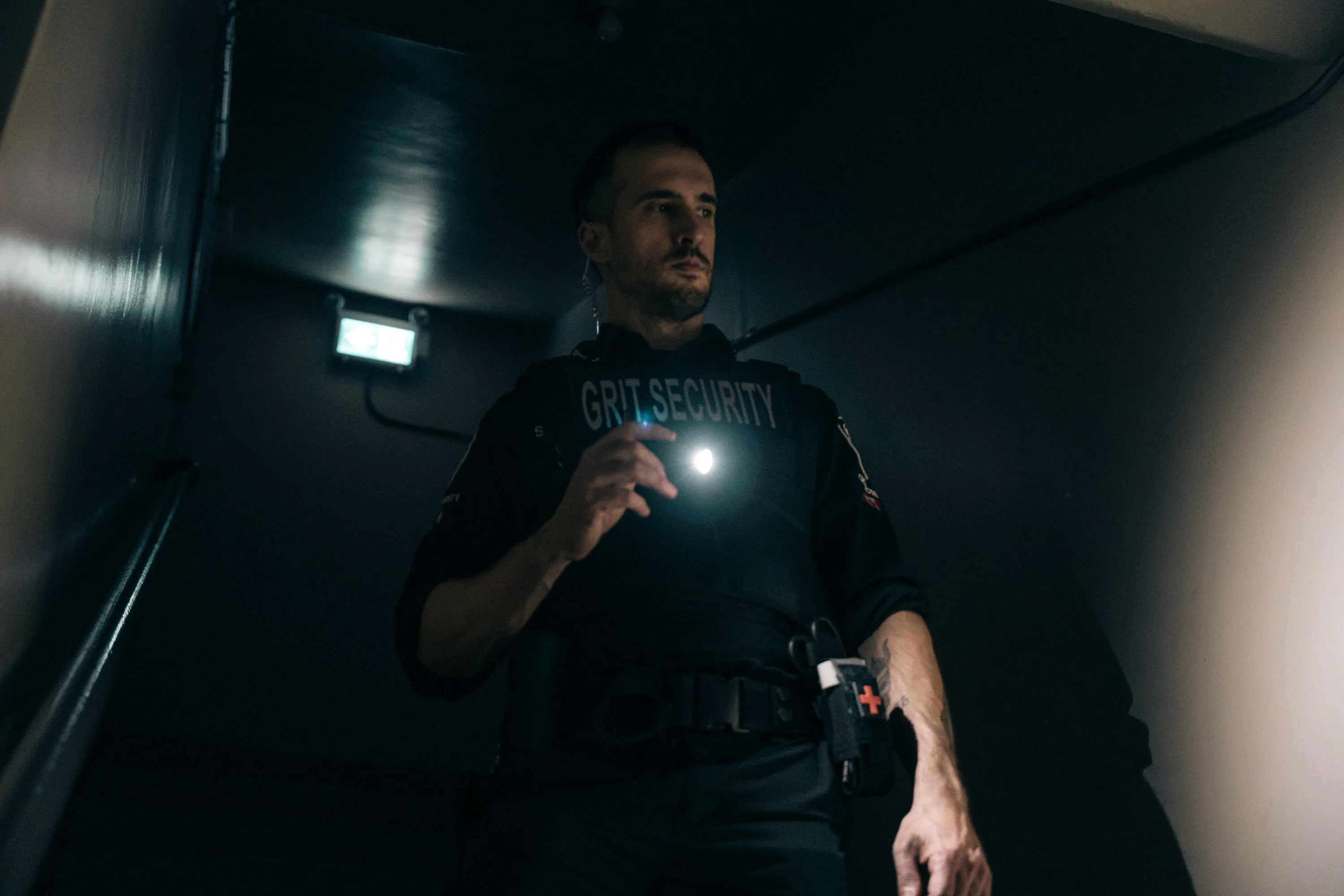
Commercial buildings—from office towers and mixed-use properties to warehouses and managed facilities—need security that supports daily operations without disrupting tenants, staff, visitors, or deliveries. Coverage may include lobby and loading-area presence, access control, scheduled patrols, after-hours response, incident reporting, and coordination with property management. Post orders are tailored to the building’s hours, access points, occupancy patterns, and identified risks. Personnel can be instructed to watch for propped doors, damaged locks, unauthorized entry, unusual activity, alarm notifications, and other observable conditions, then document and escalate them to the correct property contact.

WHY COMMERCIAL BUILDING SECURITY MATTERS
Protect Tenants and Visitors
Manage Multiple Access Points
Reduce Operational Risk
Security That Supports Daily Building Operations.
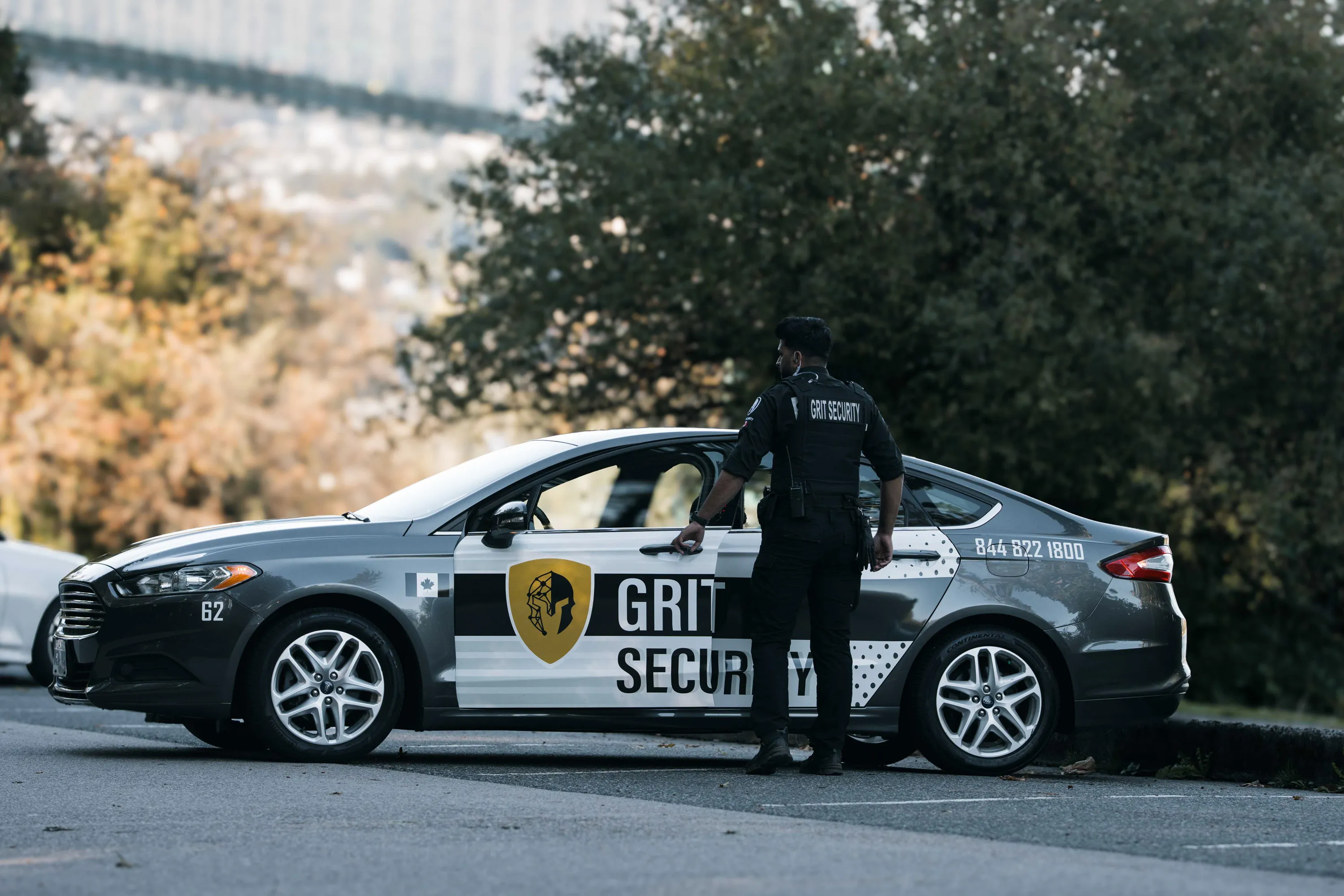
Commercial properties can use licensed Uniformed Security Guards for lobbies, common areas, and entrances. Mobile Patrol Services can reinforce exterior, parking, and after-hours coverage. Access Control Solutions can help regulate approved entry, while Integrated Camera Systems can improve visibility across interior and exterior areas. The deployment is matched to the property layout and operating requirements.
Visitor management can be handled through the building’s approved process, which may include sign-in, tenant authorization, temporary credentials, contractor verification, and delivery direction. Security personnel follow the property manager’s rules rather than creating access decisions independently. Clear post orders also identify restricted areas, emergency exits, loading schedules, key or card procedures, and the contacts responsible for facilities, leasing, and after-hours response.
Physical security planning considers how people, procedures, and existing systems work together. Cameras and alarms can support detection, while guards provide observation, communication, and a visible deterrent. Doors, gates, fencing, bollards, lighting, and other barriers should be reviewed as part of the property’s wider risk plan. When an issue is observed, accurate notes and timely escalation help management decide on maintenance, operational, or emergency follow-up.
Property managers developing a wider program can use our commercial property security planning guide to organize risks, responsibilities, and follow-up priorities before requesting coverage.
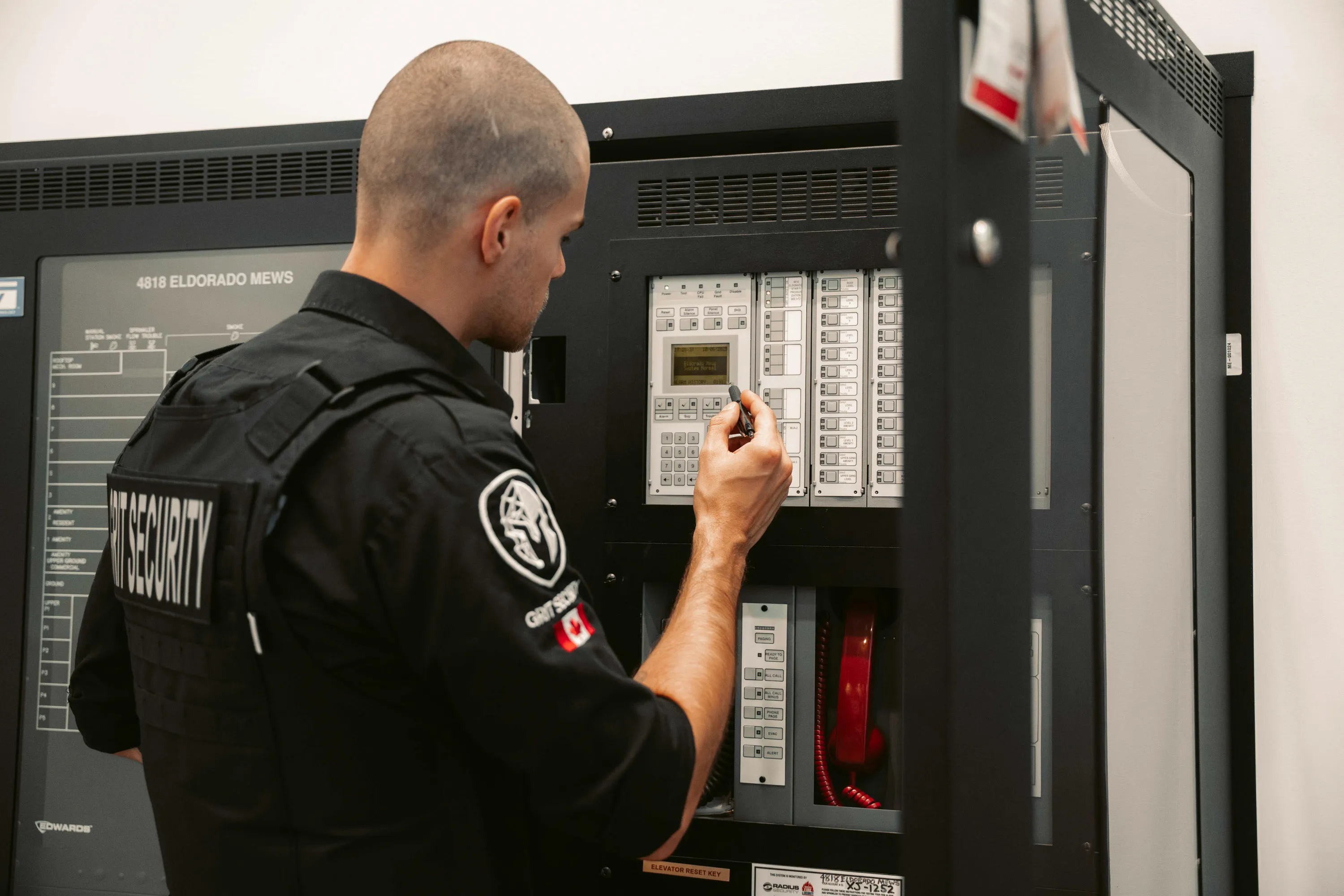
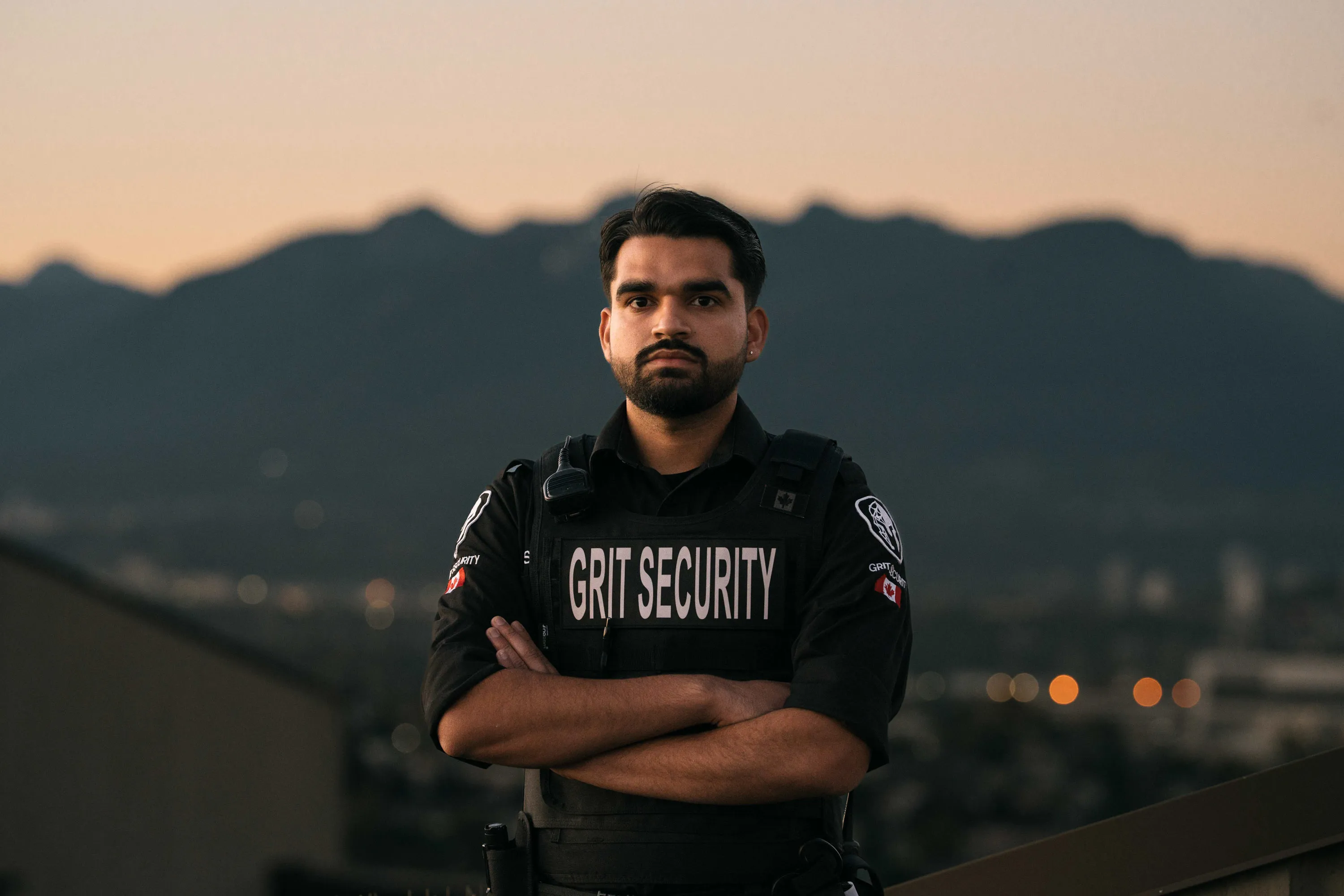
Security That Fits the Property.

How We Deliver Commercial Building Security





Frequently Asked Questions
What makes commercial buildings different from corporate office environments?
Commercial buildings often include multiple tenants, shared access points, and public-facing areas. This requires security that can manage a variety of occupants while maintaining consistent control across the entire property.
How does security support property management in commercial buildings?
Security personnel help maintain building standards by monitoring access, observing activity, and ensuring that property policies are followed throughout the day. This supports smoother building operations and tenant experience.
Why is access control important in commercial properties?
Controlled access helps regulate movement within the building and ensures that only authorized individuals enter certain areas. This is especially important in properties with multiple tenants and shared facilities.
What are the common security concerns in commercial buildings?
Common concerns include unauthorized access, after-hours activity, and incidents in shared spaces. Without consistent monitoring, these issues can impact both tenants and overall building operations.
How does security help manage shared spaces within a building?
Security helps maintain order in shared areas such as lobbies, corridors, and parking facilities by monitoring activity and responding to situations that may disrupt normal use of the space.
What affects the cost of commercial building security?
Pricing depends on coverage hours, number of posts, property size, access points, patrol frequency, required duties, reporting needs, supporting systems, and whether coverage is continuous or scheduled for selected periods.


Contact Us