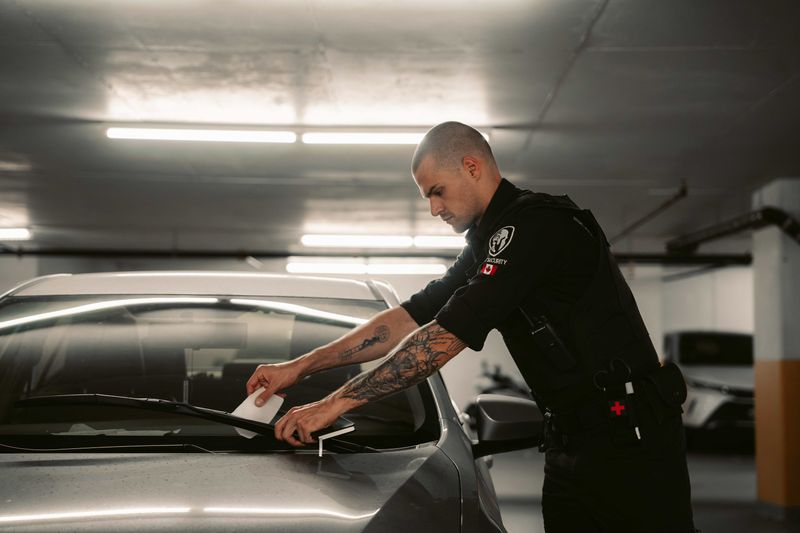
A Vancouver strata property has several security environments under one roof. The lobby, parcel room, parkade, elevators, amenities, loading area, and exterior doors all operate differently. A useful plan connects those spaces to clear duties, coverage hours, escalation steps, and records that strata managers can review.
This guide explains how to build a Vancouver strata security plan around common concerns such as unauthorized entry, package theft, and after-hours parkade activity. It is designed for strata councils, property managers, and building operators reviewing residential high-rise security.
What a strata security plan should accomplish
A security plan is an operating document, not a list of equipment or broad promises. It should name the property’s main risks, assign each task, and state when the work must happen. It should also explain what staff must do when conditions fall outside the plan.
The plan should also separate routine building service from protective work. Front-desk support, package administration, patrols, access enforcement, and incident response may overlap, but they do not always belong to the same role. Our guide to concierge services versus licensed security guards explains that distinction.
1. Map how people move through the property
Begin with a current floor plan or a simple site map. Mark every place where residents, visitors, contractors, deliveries, and vehicles enter or move between controlled areas.
- Main lobby and secondary entrances
- Parkade gates, vehicle ramps, and pedestrian doors
- Parcel rooms, mail areas, and delivery staging points
- Elevators, stairwells, and floor-access controls
- Amenity rooms and shared outdoor spaces
- Loading bays, move-in routes, and contractor entrances
- Mechanical, storage, and other restricted rooms
For each point, record its normal hours, approved users, locking method, camera coverage, lighting, and known workarounds. A door can appear controlled while residents routinely hold it open or deliveries bypass the intended route.
2. Define risks by place and time
Broad labels such as “theft” or “trespassing” do not give personnel enough direction. Describe the observable condition, where it occurs, when it is most likely, and what response the building expects.
For example, unauthorized entry may involve tailgating through the lobby during the evening rush. Package concerns may rise after large deliveries. Parkade activity may require more attention after visitor traffic drops. This detail helps the building choose coverage that matches its actual operating pattern.
3. Decide when an on-site licensed guard is needed
An on-site guard suits periods that require continuous presence, repeated patrols, active access support, or prompt response within the building. The post could cover the lobby, parcel area, parkade, or a planned route between several locations.
Post orders should state the guard’s position, patrol frequency, access responsibilities, report requirements, and escalation limits. They should also explain how to respond to residents, visitors, contractors, and emergency personnel.
In British Columbia, individuals performing security work generally require a security worker licence. Property managers can review the current requirements on the Province of British Columbia security worker licensing page. Grit’s uniformed security guards can be assigned to defined protective duties when the property needs a dedicated on-site role.
4. Use scheduled mobile patrols for targeted checks
Mobile patrols can support a property when continuous staffing is unnecessary or when management wants added checks outside fixed-post hours. A patrol may inspect exterior doors, the parkade gate, loading areas, storage access, and selected common spaces.
The instructions should name every checkpoint and the condition to verify. “Check the building” is too vague. A better direction identifies the north stairwell door, parcel-room entrance, visitor parking levels, gate closure, and any area with a recurring concern.
Mobile patrol security can be scheduled around the property’s risk periods. The comparison of mobile patrol and on-site coverage can help councils decide which duties require continuous presence.
5. Turn access checks into a repeatable process
Access checks should cover more than whether a door is locked. They should confirm that the door closes, the latch engages, and the credential reader works. Staff should also look for an easy bypass near the entrance.
Set a clear process for lost fobs, contractor credentials, move-in access, emergency keys, and temporary permissions. Management should know who may issue, change, or cancel access. Security personnel should know who can approve exceptions after hours.
Where appropriate, access control systems can support individual credentials, time-based permissions, and event records. Those records are most useful when management has a defined review and response process.
6. Build package protection around the delivery flow
Package security starts before a parcel enters the room. Document where couriers arrive, who grants access, where items wait, how residents are notified, and what happens when the approved area is full.
- Keep delivery access separate from unrestricted resident areas where practical.
- Limit who may enter the parcel room and how long temporary access remains active.
- Maintain clear sightlines around the delivery point.
- Define how staff record damaged, misplaced, or unattended items.
- Preserve relevant records when management reviews a reported loss.
Cameras may support review, but placement, image quality, retention, and authorized access all matter. An integrated security camera system should complement the building’s access and incident procedures.
7. Plan parkade patrols around specific conditions
A parkade patrol should check meaningful conditions rather than simply cover distance. Priorities may include the vehicle gate, pedestrian doors, storage cages, bicycle rooms, stairwell entries, blind corners, visitor stalls, and vehicles left in unusual areas.
Define how staff should handle an open gate, a propped door, damaged lighting, or an unknown person. Add steps for a vehicle tied to repeat after-hours activity. The plan should distinguish observation and reporting from situations requiring immediate escalation.
Patrol routes must also remain safe. Personnel should not enter hazardous maintenance areas or confront people beyond their training and assigned authority.
8. Write one escalation chain for every shift
Security personnel need a contact order that works during business hours and overnight. List the property manager, designated strata representative, maintenance contact, emergency service thresholds, and backup contacts.
For each common event, state what requires an immediate call, what can appear in the shift report, and what evidence should be preserved. Avoid instructions such as “contact management” without naming the person, backup, and expected method.
9. Make reporting useful to the strata council
Reports should help management decide what to fix, change, or monitor. Each entry should include the time, location, observed facts, action taken, person notified, and follow-up status.
Repeated records may reveal a door that fails to latch, a delivery procedure that creates congestion, or a parkade level needing better lighting. Grit Security uses TrackTik to support time-stamped activity, patrol checkpoints, notes, and incident reports.
Set a regular review schedule. The property manager or council representative should review open issues, confirm ownership, and close each item only after the required action is complete.
Example Scenario
This is a hypothetical planning example only. It is not a Grit Security client case study, testimonial, completed deployment, or claim of results.
Consider a fictional Vancouver residential tower with a staffed lobby, two parkade levels, a parcel room, and several secondary entrances. Management has received concerns about people following residents through the lobby, missing packages, and unfamiliar vehicles remaining in visitor parking after midnight.
A possible layered plan
- An on-site licensed guard could cover the evening arrival period, observe the lobby, support approved visitor access, and complete scheduled interior patrols.
- Mobile patrols might attend after the fixed shift to check the exterior, parkade gate, pedestrian doors, parcel-room entrance, and visitor parking.
- Access checks could confirm that doors close and latch, while management reviews repeat credential or hardware exceptions.
- Package procedures may direct couriers to one controlled entry and define how overflow parcels are handled.
- Incident reports could separate routine patrol activity from unauthorized entry, package concerns, open doors, and after-hours parkade observations.
The property might review reports each week for the first month, then adjust hours, checkpoints, or procedures. Each layer would have a defined purpose, and the strata council would retain responsibility for approving building policies and corrective work.
Assign ownership before coverage begins
A practical plan names who owns every action. Security can observe, document, patrol, and follow approved procedures. Property management controls building policy, resident communication, contractor work, and many access decisions. Strata councils approve budgets and governance decisions within their authority.
System vendors may handle locks, gates, intercoms, credentials, and cameras. Emergency services handle events within their mandate. Clear ownership prevents a recurring hardware or policy problem from being treated as a permanent guard task.
Questions to answer before approving the plan
- Which three risks require the most attention now?
- Where and when does each concern occur?
- Which duties need continuous presence?
- Which checks can mobile patrol complete?
- Who can approve entry or exceptions after hours?
- What requires an immediate call?
- What must appear in each daily or incident report?
- Who reviews open issues and confirms they are resolved?
- When will the council reassess the plan?
Build a plan the property can follow
The strongest strata security plan is specific enough to guide a shift and simple enough to maintain. Start with the building’s actual access flow, define each role, connect personnel with systems, and review reporting until recurring gaps have an owner.
Grit Security supports strata and residential properties across Vancouver with site-specific guard and patrol planning. Contact Grit Security to discuss the building, priority concerns, preferred reporting, and coverage windows.