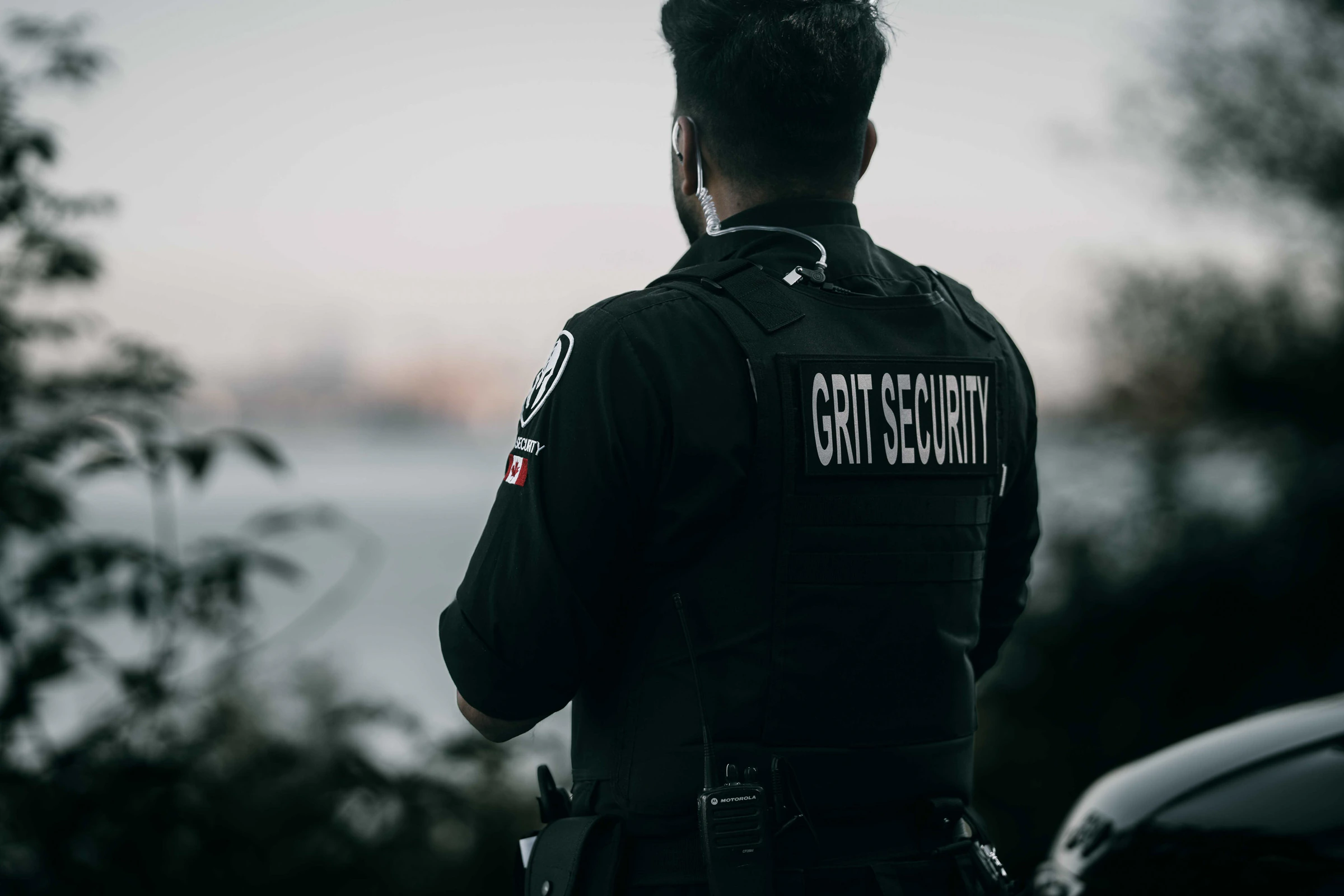
Construction sites are temporary by design, but their security risks are not. Gates move, trades rotate, lighting changes, and valuable materials shift from open areas into finished spaces. A useful construction site security plan must keep pace with the project instead of staying fixed from groundbreaking to handover.
This construction site security checklist gives Metro Vancouver owners, developers, and site managers a practical framework for controlling access, choosing coverage, documenting patrols, and reviewing the plan as conditions change.
Why construction site security needs to change with the project
A site that is mostly excavation has different exposure than a partially enclosed building. Later, doors, fixtures, tools, and finished areas create new priorities. Security coverage should therefore be reviewed at major project milestones, after access points change, and whenever operating hours or site occupancy shift.
Start with the actual site rather than a generic package. The purpose of a security assessment is to identify what needs protection, when the site is most exposed, which controls are already in place, and who must respond when something falls outside the plan.
1. Map the site before setting coverage
Create a simple, current site map and mark the areas that affect security decisions. It does not need to be elaborate, but it should be clear enough for a new guard, supervisor, or emergency contact to understand the property.
- Vehicle gates, pedestrian entrances, and temporary openings
- Site offices, storage containers, laydown areas, and tool cribs
- Fuel, equipment, electrical rooms, and other controlled areas
- Blind spots, dark zones, stairwells, and incomplete building edges
- Camera positions, lighting, alarms, and communication points
- Neighbouring properties, public sidewalks, and shared access routes
Update the map whenever fencing, hoarding, gates, or work zones move. A patrol route based on last month’s layout can miss the areas that matter today.
2. Build one clear access process
Access control is more than watching a gate. Decide who may enter, how their authorization is confirmed, which hours apply, and what happens when a person or delivery is unexpected.
A workable process can include a current contact list, sign-in procedure, contractor or visitor identification, delivery instructions, key and credential control, and a defined approval path for exceptions. The process should also explain how access changes after regular construction hours.
Keep the rules practical. If the procedure is so slow or complicated that crews regularly work around it, it will not provide reliable control. Review it with the site superintendent and adjust it when trade volume or delivery patterns change.
3. Match the security method to the exposure
Construction site security in Vancouver can combine several layers. The right mix depends on the property, project phase, hours of activity, existing technology, and response expectations.
On-site security guards
Uniformed security guards may be appropriate when a site needs continuous presence, active gate control, contractor verification, scheduled patrols, or immediate escalation. Post orders should define duties precisely so the guard’s role stays aligned with the project.
Mobile patrols
Mobile patrol security can provide visible, scheduled or varied checks when continuous staffing is not required. Patrol instructions should state which gates, doors, equipment areas, and perimeter sections must be checked and what proof of completion is expected. Our guide to mobile patrol versus on-site guards explains the operational differences in more detail.
Cameras and live monitoring
An integrated security camera system can support visibility across defined areas, while live video monitoring can add active observation and escalation. Camera placement should follow the current layout, account for lighting, and be reviewed as structures or materials create new blind spots.
A layered approach
Many sites benefit from a combination: physical access procedures during active hours, technology for visibility, and guards or patrols during selected periods. Each layer should have a clear purpose. Adding services without defining how they work together can create gaps, duplicate effort, or unclear responsibility.
4. Write post orders for each project phase
Post orders turn the security plan into repeatable shift instructions. They should be specific to the site, written in plain language, and updated when construction conditions change.
- Early works: Focus on perimeter integrity, temporary gates, site-office access, and changing vehicle routes.
- Structural phase: Adjust patrol routes for incomplete floors, stairways, changing storage areas, and newly delivered equipment.
- Enclosure: Track new doors, windows, keys, credentials, and interior access points.
- Finishing: Review access for multiple trades, fixtures, completed rooms, and areas awaiting turnover.
- Handover: Confirm how temporary controls will be removed, credentials returned, and responsibility transferred.
Every version should identify shift duties, prohibited areas, check-in requirements, incident categories, emergency contacts, and the escalation order.
5. Design patrol routes that prove what was checked
A patrol should answer three questions: where did the officer go, what did they inspect, and what happened next? Define checkpoints around meaningful conditions rather than simply asking someone to “walk the site.”
Grit Security uses TrackTik for GPS-supported checkpoints and time-stamped reporting. On a construction assignment, those records can help supervisors confirm completed patrols, review noted deficiencies, and carry unresolved items into the next shift.
Routes should include reasonable variation where appropriate, but they must remain safe and consistent with site rules. Guards should not be directed into hazardous or restricted construction zones merely to complete a checkpoint.
6. Control keys, codes, and temporary credentials
Construction sites accumulate temporary access devices quickly. Assign responsibility for issuing, recording, returning, and cancelling keys, fobs, codes, or passes. Avoid shared credentials when individual accountability is required.
Define what happens when a credential is missing, a contractor finishes work, or a lock changes. The security provider, site management, and relevant trades should know who has authority to approve replacements or after-hours access.
7. Set the response process before the first shift
Security personnel need an escalation path that is clear at 2 p.m. and at 2 a.m. List the order of contacts, what information must be reported, and when police, fire, medical, property management, or the project team should be contacted. Avoid vague instructions such as “call someone from the site.”
Test phone numbers and backup contacts. Decide who can authorize entry, repairs, alarm resets, or changes to coverage. If an alarm or camera event is part of the plan, document who receives it and what verification or dispatch steps follow.
8. Require reports that help the next shift
A report should be useful to the people managing the project, not just confirm that a shift occurred. Define the required fields: time, location, observation, action taken, person notified, and follow-up status.
Separate routine activity from exceptions so decision-makers can find important items quickly. Open issues—such as a damaged fence panel, lighting problem, or unreturned credential—should remain visible until someone closes them.
9. Check licensing and provider readiness
In British Columbia, individuals performing security work generally require a security worker licence. The Province of British Columbia explains the application and licensing requirements on its security worker licence page.
When reviewing a provider, confirm the proposed service matches the site’s actual needs. Discuss supervision, site orientation, reporting, schedule changes, escalation, and how the team will update post orders throughout the build. Ask who is responsible for reviewing reports and making changes when the project moves into a new phase.
Construction site security checklist
- Complete a site-specific security assessment
- Mark all current entrances, restricted zones, storage areas, and blind spots
- Define authorization for workers, visitors, vehicles, and deliveries
- Select on-site guards, mobile patrols, monitoring, cameras, or a planned combination
- Write clear post orders and escalation instructions
- Create meaningful patrol checkpoints and reporting standards
- Assign control for keys, fobs, codes, and temporary passes
- Verify emergency and after-hours contacts
- Review lighting, camera views, fencing, and gate conditions
- Reassess coverage at each major construction phase
Frequently asked questions
Does every construction site need a guard around the clock?
No single schedule suits every project. Coverage should follow the site assessment, operating hours, access activity, project phase, technology, and response requirements. Some properties may need continuous presence, while others may use targeted guard hours, patrols, monitoring, or a combination.
When does mobile patrol make sense?
Mobile patrol can be useful when a site needs documented checks and a visible security presence at selected times without a permanent post. The route, frequency, checkpoints, and response instructions should be based on the site rather than copied from another property.
When should cameras or live monitoring be added?
Consider cameras or monitoring when defined areas need better visibility or event-based escalation. Their value depends on correct placement, lighting, connectivity, maintenance, and a clear response plan. They should support—not replace—sound access control and site procedures.
Review the plan whenever conditions change
A construction security plan is a working document. Review it after a schedule change, new phase, gate relocation, major delivery, occupancy change, or recurring reporting issue. For a broader planning framework, see our guide to building a commercial property security plan.
Grit Security supports construction site security across Vancouver, Burnaby, and surrounding Metro Vancouver communities. To discuss a site assessment and coverage plan, contact Grit Security.