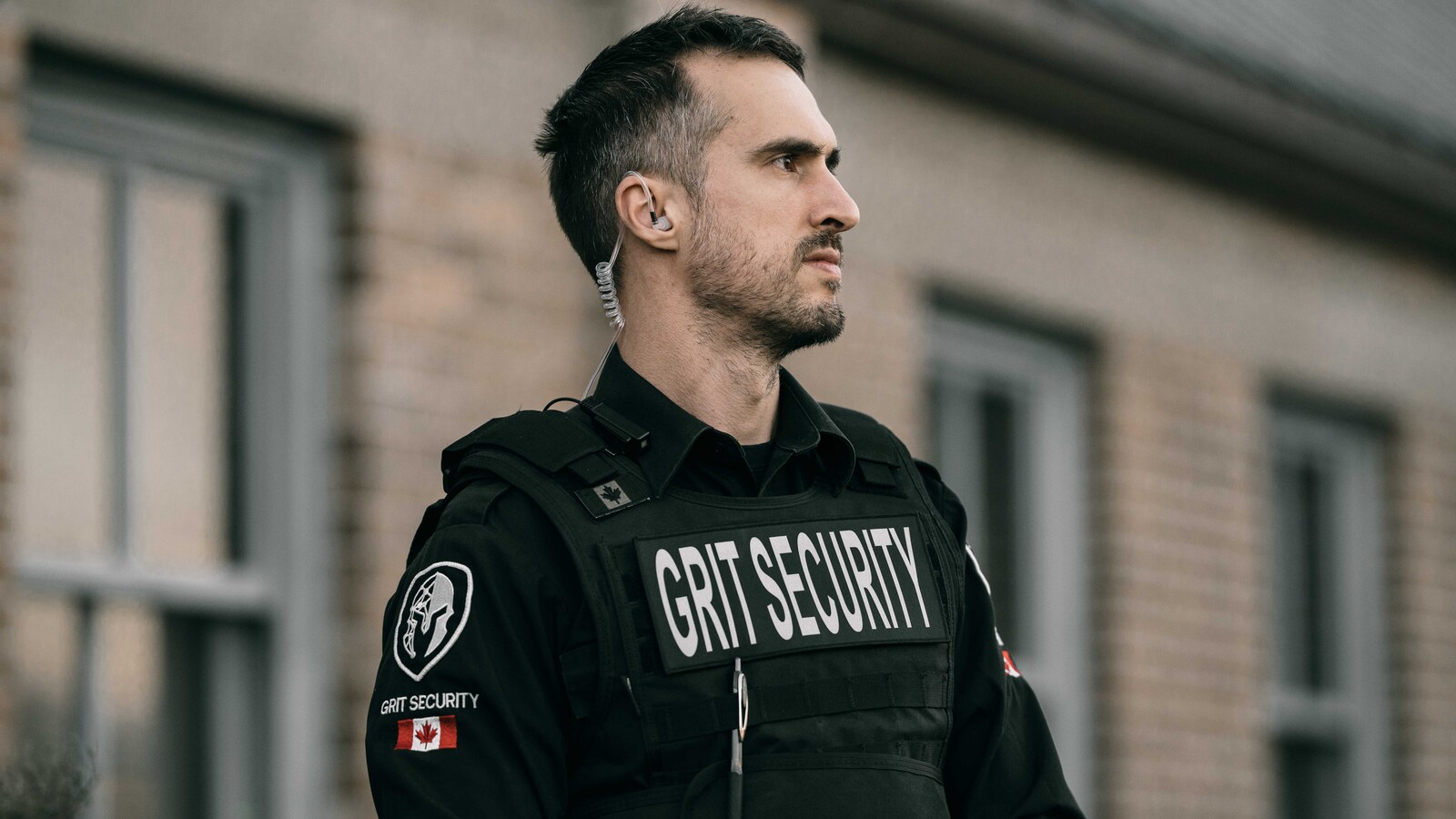
A security guard report should do more than confirm that someone was on site. It should verify completed work, document what the officer directly observed, explain any action taken and make unresolved concerns easy for property management to find.
Good reporting turns one shift into a useful operating record. It supports handovers, maintenance decisions, incident review and improvements to the property’s security plan. Poor reporting leaves managers with vague notes, missing timelines and no clear next step.
What a security report should accomplish
Every report should help the reader answer four questions:
- What duty, patrol or incident is being documented?
- What did the officer directly observe?
- What action was taken and who was notified?
- What remains unresolved and who needs to follow up?
British Columbia’s Basic Security Training includes report writing because clear, accurate documentation is a core part of professional security work. Report formats vary by property and assignment, but entries should remain timely, specific, factual and connected to the assigned duties.
Daily activity reports and incident reports are different
Daily activity report
A daily activity report records the shift as a whole. It can include start and end times, completed patrols, access activity, contractor or visitor matters, doors or gates checked, maintenance concerns, handovers and routine communications.
A quiet shift still needs a meaningful record. “All quiet” does not tell management which areas were checked, when they were checked or whether any exceptions were found.
Incident report
An incident report provides a focused account of one event, such as unauthorized access, property damage, an alarm response, safety hazard or emergency-service attendance. It should stand on its own without forcing the reader to reconstruct the event from scattered daily notes. The daily report can reference the incident number so both records remain connected.
Patrol-verification record
A patrol record shows when assigned checkpoints or areas were attended. GPS data and time-stamped checkpoint scans can support verification. A scan confirms attendance at that point; it does not by itself prove the quality or completeness of the inspection. The officer’s observations provide the operational detail.
What every security guard report should include
The exact fields should match the property and assignment, but a complete reporting system should capture:
- Report details: property, report type, reference number, officer, shift and creation time.
- Exact location: the building, floor, stairwell, gate, entrance or other area involved.
- Timeline: when the matter was observed, when actions occurred, when contacts were notified and when the situation concluded.
- Direct observations: what the officer saw, heard or found, including relevant conduct, words, damage, access conditions or vehicle details.
- Information from others: statements from residents, employees, contractors, witnesses or responders, clearly separated from the officer’s own observations.
- Actions taken: the actual steps followed instead of a vague statement that the matter was “handled.”
- Notifications: who was contacted, when the contact occurred, whether they answered and any instructions received.
- Supporting records: relevant photographs, footage references, access activity, alarm information or emergency-service file numbers.
- Outcome: the condition when the officer’s involvement ended.
- Follow-up: each unresolved concern, required next action and responsible party where known.
If an exact time is unknown, the report should identify it as approximate rather than present a guess as a confirmed fact. Events should be written in chronological order so the response can be understood without jumping between disconnected details.
Observable facts are stronger than conclusions
Professional report writing uses plain, neutral language. It avoids exaggeration, humour, unsupported conclusions and irrelevant personal details.
Compare these entries:
- Vague: “Suspicious person was causing problems in the lobby.”
- Specific: “At 22:14, the officer observed an individual pulling the locked east lobby door three times and looking through the glass. The officer approached from inside and asked whether assistance was required. The individual did not respond and walked east at 22:16. The door and lock were checked; no damage was observed.”
The second entry does not assume intent. It records time, location, behaviour, officer action, direction of travel and the final condition of the door.
Instead of labelling someone “aggressive,” describe the observable conduct, such as a raised voice, repeated approach, blocked doorway or specific threat. If the officer did not witness an entry, record the open door or damaged lock rather than concluding that a person broke in.
Routine work still needs verification
Property managers need confirmation that assigned duties were completed, not only notice when something went wrong. Routine records can include:
- Patrol areas and checkpoints completed
- Doors, gates and restricted areas checked
- Lock and unlock duties
- Visitor, contractor or delivery activity within the assignment
- Lighting, leaks, trip hazards or maintenance concerns
- Alarm, access-control or camera exceptions
- Instructions received and information handed to the next shift
An on-site security guard, mobile patrol officer and concierge professional have different responsibilities. Their report forms should reflect their actual scope rather than use one generic checklist for every position.
Photographs should be relevant and authorized
Photographs, video references and system records can help explain what was found. They should be relevant, authorized and safe to capture. The report should state what the supporting material shows and where it is stored.
Images should not be added merely to make a report appear complete. Photographs can contain personal information and sensitive property details, so their collection, use, storage, sharing and retention must comply with applicable privacy law and the property’s approved procedures.
Escalation should have a time-stamped trail
List each person or agency contacted, when the contact occurred, what information was provided and any instruction received. Include police, fire or ambulance file numbers when supplied. If a required contact did not answer, record the attempts and the next step under the escalation plan.
Urgent notification should not wait for the written report. The officer follows the site’s emergency and escalation procedures, including contacting emergency services when required, before completing the written record. The report documents the notification; it does not replace emergency action or real-time escalation. Our alarm response guide shows how dispatch, attendance, inspection, escalation and reporting connect during an after-hours response.
Digital verification should support the written record
Grit Security uses TrackTik to support time-stamped activity, GPS verification, checkpoint activity, notes, authorized photographs and incident reporting. These records help connect assigned activity and exceptions to a location and time.
Technology should strengthen the report, not replace officer judgment. A checkpoint without an observation does not explain a damaged door or failed light. A detailed narrative without the expected patrol record may leave an assigned duty unverified.
Protect the information inside the report
Security reports can contain names, photographs, access details, unit information, vehicle plates and descriptions of identifiable people. Collect only what is reasonably needed and limit access to authorized people.
British Columbia’s Personal Information Protection Act addresses appropriate collection, accuracy, protection and retention of personal information by private-sector organizations. For organizations subject to PIPA, personal information used to make a decision that directly affects an individual must be retained for at least one year. Subject to that requirement, documents containing personal information must be destroyed or de-identified once their purpose is no longer served and retention is no longer necessary for legal or business purposes. Properties should document who may receive reports, how attachments are shared and the applicable retention schedule.
Handovers and supervisor review close the loop
The next officer needs unresolved operational information. A damaged gate, missing credential, scheduled contractor or open police file should not disappear when a shift ends. The handover should state the issue, current status and next required action.
Supervisor review can identify missing times, unclear language, incomplete escalation records or follow-up items with no assigned owner. Urgent reports should be reviewed promptly enough for corrective action, while routine reports can follow the agreed quality-control process.
Use reports to find recurring problems
One report documents one shift or incident. A consistent series of reports can reveal patterns such as a door that repeatedly fails to latch, access attempts during the same time window, lighting outages, recurring parking conflicts, repeated alarms from the same zones or gaps during shift changes.
Management can use those patterns to adjust post orders, repairs, staffing, patrol timing, cameras or access control. A broader property security plan should define which reports are required, when they are delivered and which events require immediate escalation.
Property manager reporting checklist
When reviewing a security provider’s reports, ask:
- Can assigned patrols and duties be verified?
- Are times, locations and observed conditions specific?
- Are direct observations separated from information supplied by others?
- Do reports explain the action taken?
- Are urgent notifications and contact attempts time-stamped?
- Are photographs relevant, authorized and properly stored?
- Are unresolved items, owners and next steps clear?
- Can recurring issues be identified across reports?
Frequently asked questions
What is the difference between a daily activity report and an incident report?
A daily activity report records the overall shift, including routine duties, patrols, communications and exceptions. An incident report gives a focused, chronological account of one significant event. The daily report can reference the incident number.
Should a security guard take photographs for every report?
No. Photographs should be relevant, authorized under site procedures and safe to capture. The report should explain what each image documents, and the files must follow the approved privacy and access process.
How quickly should property management receive a report?
Urgent incidents should be communicated immediately through the escalation procedure. The written report should follow within the timeframe set by the post orders or service agreement. Routine reports can be delivered after the shift or through an agreed schedule.
Does a checkpoint scan prove that a full patrol was completed properly?
A checkpoint scan helps verify attendance at a location and time. It does not prove every required condition was inspected. Checkpoint data, assigned tasks and officer observations should work together.
Grit Security reporting
Grit Security builds reporting around the property’s actual duties. Depending on the assignment, clients can receive time-stamped daily activity reports, checkpoint records, incident reports, authorized photographs, escalation details and supervisor follow-up through TrackTik.
Reporting requirements are established in the post orders so officers know what to document, managers know what they will receive and open issues have a clear route to action. This supports commercial properties, residential high-rises and other sites using fixed or mobile coverage.
Service locations
Grit Security publishes local service information for Vancouver, Burnaby, Richmond, Surrey, Langley, Coquitlam, Delta, Victoria and Nanaimo. Reporting formats and delivery schedules are confirmed for each assignment.
Make every report useful
The strongest security report verifies the work, states the facts, records the response and shows what happens next.